
How do you turn the circular exonomy into something young people can touch, build and present?
In CirculYOUNG, our answer was the bootcamp.
After testing bootcamps in Austria, Ireland, Greece and Italy, we collected what worked in a free guide, so that other educators can organise their own.
What is a CirculYOUNG bootcamp?
A bootcamp is a short, hands-on training experience.
Participants:
work in small teams;
tackle a real sustainability challenge;
develop an idea for a circular economy project;
present their solution to the group.
Theory is always linked to real-life examples, problems from the participants’ own community and practical solutions. Along the way, young people build teamwork, problem-solving skills and self-confidence.
The CirculYOUNG Bootcamp Guidelines describe the training methodology used in the partner countries. They are written for educators, teachers and youth workers who work with NEETs from migrant backgrounds, and with young people in general, and who want to organise a bootcamp in their own community.
Bootcamps in the CirculYOUNG partner countries
Each partner adapted the bootcamp to its own group and context. Here are some ideas which can inspire educators and youth workers around Europe and beyond!
Austria
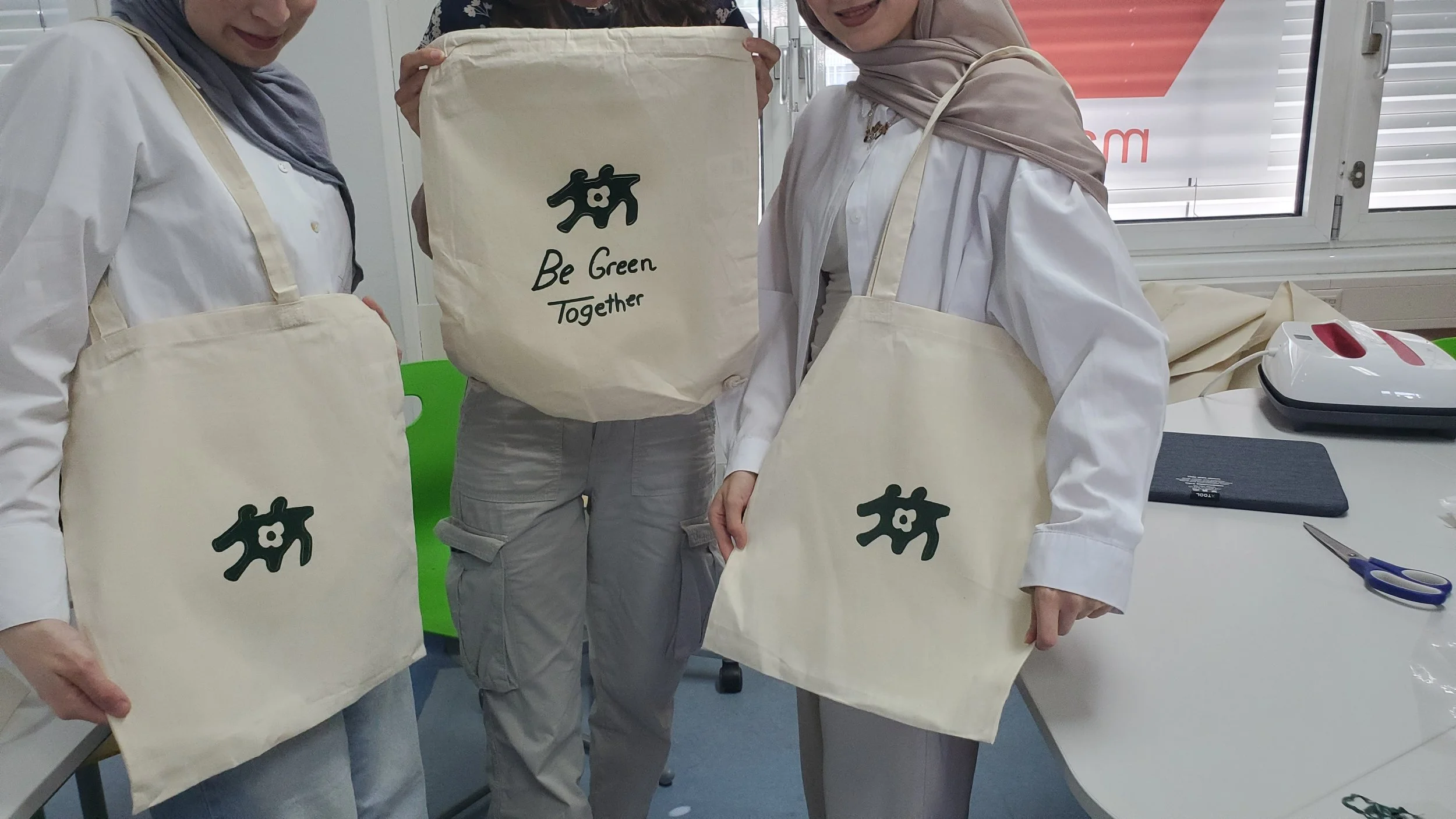
Participants customised tote bags made from recycled fabric, designing and printing their own message:
“Be Green Together”
Ireland
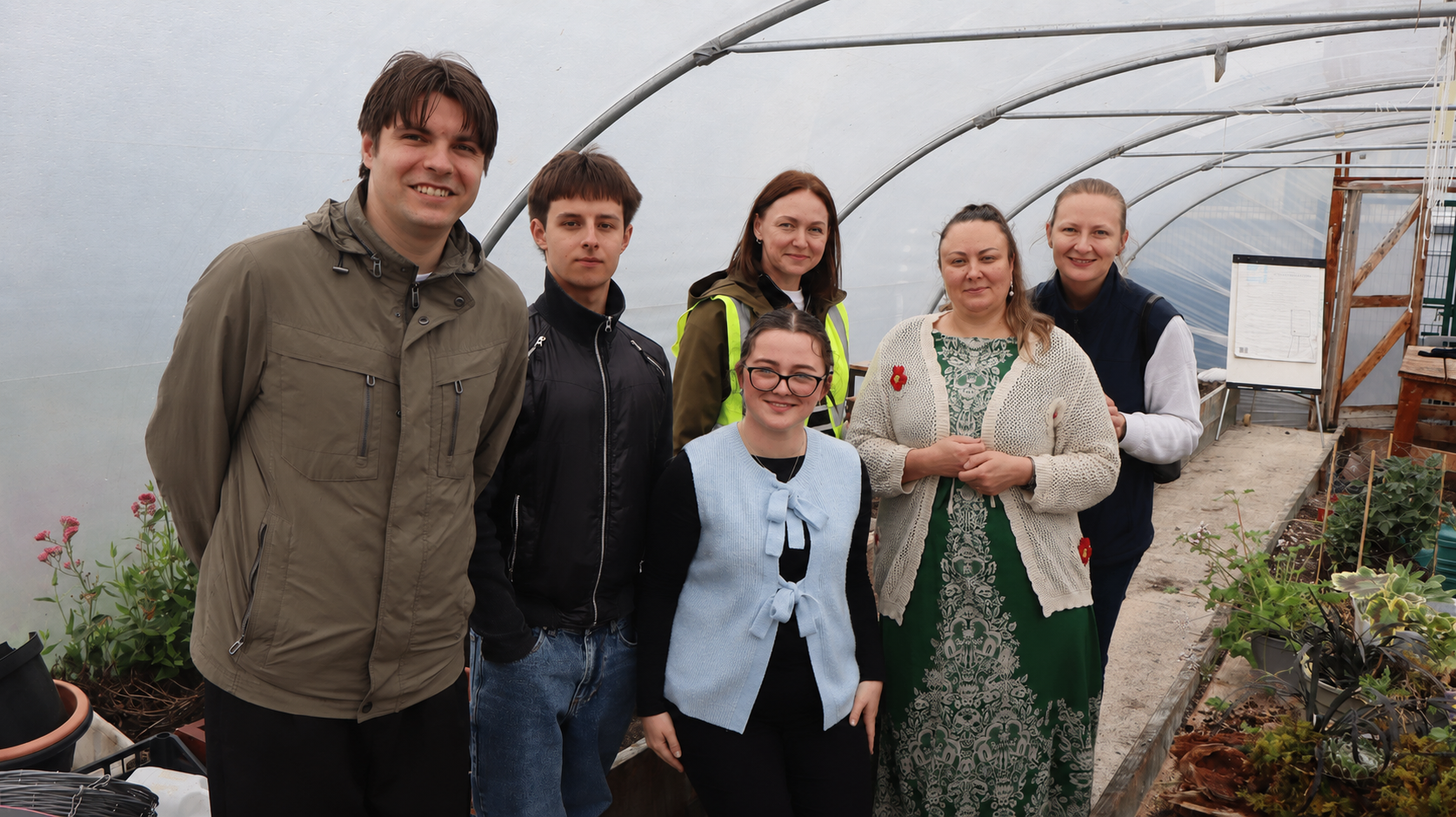
The group took part in eco-planting, an ecological gardening activity in a polytunnel, working with plants and natural materials.
Greece
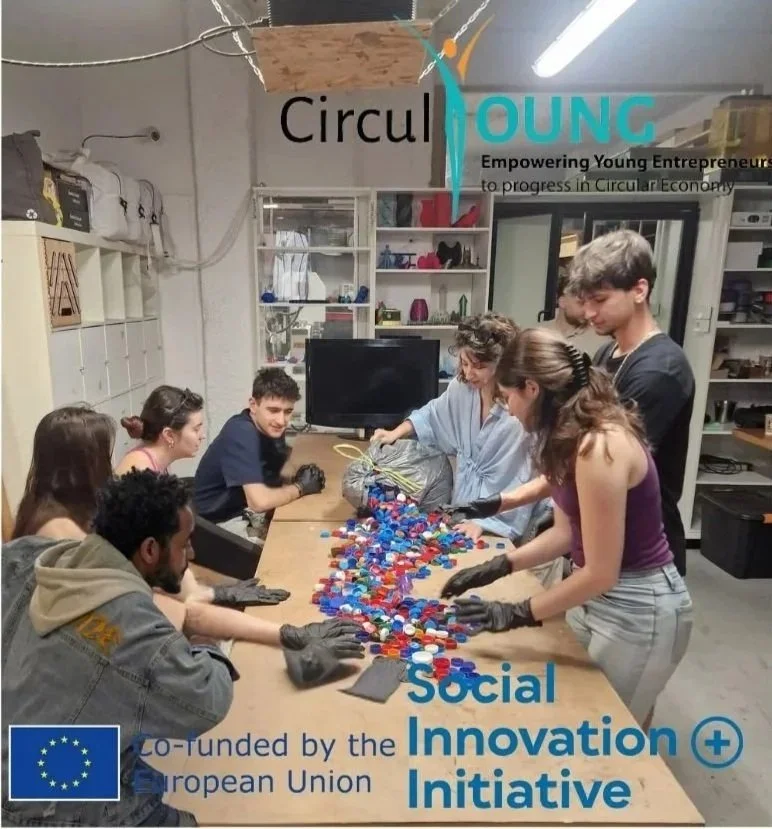
Young people turned collected plastic bottle caps into new objects, such as small carabiners, using the tools and machines of a maker workshop.
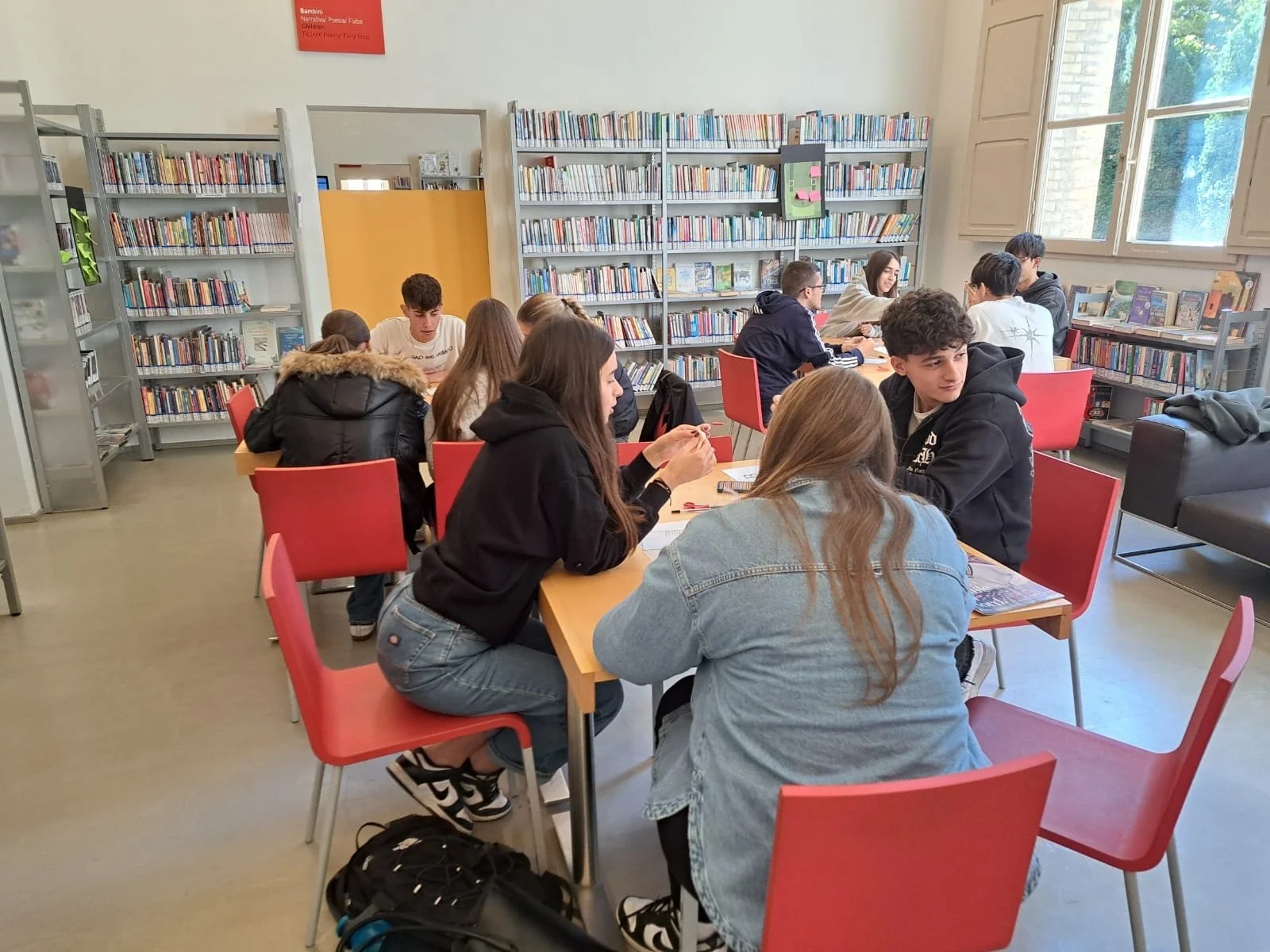
Italy
The bootcamp combined circular economy, design thinking, and podcasts and storytelling. Teams first brainstormed ideas with the Business Model Canvas, then developed and presented their circular solutions, with mentoring along the way. Each team closed the bootcamp by creating a final podcast.
The activities were different, but the idea was the same: start from a real problem, work together and create something concrete. At the end of each CirculYOUNG bootcamps, young participants were able to understand the basics of sustainability and the circular economy; develop green and professional skills; feel more confident in themselves; explore new career or project opportunities. These are also the skills that green jobs need: creativity, teamwork, problem solving, communication and flexibility.
What’s inside the Guidelines
The Guidelines take you from the first idea to the final evaluation. They start with the context and objectives of CirculYOUNG, the target groups and the roles of everyone involved.
Mentorship is at the heart of the model. The Guidelines explain the principles of mentorship in CirculYOUNG, how to select mentors and what mentors are expected to do.
The core of the guide is the bootcamp itself, with a step-by-step preparation guide, resources and activities to use before the bootcamp, and seven phases:
1. Welcome and orientation
2. Challenge identification
3. Ideation and creativity methods
4. Concept development
5. Prototyping
6. Pitching and feedback
7. Reflection and closure
The Guidelines also cover the practical side of running a good bootcamp: how to link theory to practice, methods for fostering teamwork, and how to create safe learning spaces. For those who want to measure results, there is an assessment framework, KPIs and data collection, and advice on evaluating pilot activities. Finally, you will find templates and checklists in the annex, plus guidance on risk management, quality assurance, the roles of partner organisations, and how to keep the bootcamp going and transfer it to new contexts.
You can combine the Guidelines with the other CirculYOUNG resources: the online course for short units and challenges, the Circular Behaviour Index to measure habits at the start and at the end, and the Roadmap for the background research and methodology.
check it out
〰️
check it out 〰️
“Ask the group which environmental problem they notice most around them, in their street, school or neighbourhood.
Then ask three questions:
What is the problem? Who benefits from the solution? Why is the solution sustainable, for the environment, for people and for the economy?
From there, the bootcamp can grow.”
Resources for educators
The bootcamp guidelines are part of a small set of open resources that you can use and adapt with your groups:
One activity can be enough to start a conversation about the circular economy with your group. If you run a CirculYOUNG bootcamp with your group, share your photos and stories with us on Instagram ( @circulyoung_eu ), Facebook, TikTok or LinkedIn!
If you use CirculYOUNG materials, we would love to hear how it went!