
Module 1: Responsible Eco-Friendly Thinking and Creative Future Planning
IN THIS LESSON, you will learn about the fundamental problems of our current economic system
-
Understand the fundamental principles of sustainability across environmental, social, and economic dimensions.
Apply sustainable thinking to everyday decisions.
Recognize sustainability-related challenges and opportunities in different contexts.
Take personal actions that positively impact the environment and society.
Encourage and support sustainable practices within their community or surroundings.
LEARNING OUTCOMES
-
1.1.K1.
Understand the fundamental principles of sustainability (environmental, social, economic). -
1.1.S1.
Apply sustainable thinking to everyday choices1.1.S2.
Identify sustainability challenges and opportunities in various contexts. -
1.1.RA1.
Implement personal actions impacting the environment and society.1.1.RA2.
Promote sustainable practices within one’s community or environment.
Sustainability is defined as meeting the needs of the present without compromising the ability of future generations to meet their own needs. This concept emphasizes the importance of considering environmental protection, social well-being, and economic stability as interconnected goals. Eco-friendly or sustainable thinking, a key aspect of sustainability, involves making choices and adopting practices that minimize harm to the environment and support long-term ecological balance. By exploring these foundational ideas, this unit provides the groundwork for making informed, responsible decisions that contribute to a more sustainable future for all.
UNIT 1.1 – Foundations of Sustainability and Eco-Friendly Thinking
1. VIDEO
In this video, we explore what sustainability truly means and why it’s vital for our future. Sustainability goes beyond environmental issues—it also includes economic and social aspects to ensure today’s actions don’t compromise future generations’ needs.
2. INTRODUCTION
The topic of this UNIT 1.1, "Foundations of Sustainability and Eco-Friendly Thinking," centers on understanding the essential principles that guide our efforts to create a healthier, more balanced relationship between people, the planet, and prosperity.
2.1 What is sustainability?
Let’s look at some quotes!
“Education must be the foundation of a sustainable future”
- Klaus Schwab, Founder of the World Economic Forum
“Sustainability is no longer about doing less harm, it’s about doing more good”
- Jochen Zeitz, former CEO of Puma
-
Environmental Sustainability is about protecting nature—like forests, animals, clean air, and oceans—by using resources wisely and reducing pollution.
Focus areas:
Biodiversity Protection: Help ecosystems stay strong and healthy.
Efficient Resource Use: Use less, recycle more.
Pollution Control: Cut down waste and clean up our air and water.
-
Economic Sustainability means growing businesses and jobs in a way that doesn’t damage the planet—keeping things profitable and responsible.
Focus areas:
Circular Economy: Reuse, reduce, recycle.
Green Innovation: New ideas that help both the planet and the economy.
Long-Term Thinking: Think beyond short-term profits—plan for the future.
-
Social Sustainability is about fairness—making sure everyone has equal access to health, education, safety, and opportunity.
Focus areas:
Basic Needs: Food, water, healthcare, and education for everyone.
Inclusion: Everyone should have a say in decisions.
Rights & Fairness: Support justice and protect human right
Sustainability means meeting our needs today without hurting the planet for future generations. It’s about protecting nature, helping people, and building a better future.
A well-known definition comes from Gro Harlem Brundtland, former Prime Minister of Norway, who said in 1987
A well-known definition comes from Gro Harlem Brundtland, former Prime Minister of Norway, who said in 1987
“Sustainable development is development that meets the needs of the present without compromising the ability of future generations to meet their own needs.”
2.2 What is Circular Economy?
The circular economy is all about using things smarter—sharing, fixing, reusing, and recycling instead of just throwing stuff away. Unlike the usual “take, make, and toss” system, this model keeps products and materials in use for as long as possible.
Now take a moment to watch this video!
Why it matters?
Less waste and pollution
Fewer natural resources used
More cool jobs and innovation
Key Principles:
Stop waste and pollution before they happen
Keep products and materials in use
Help nature recover and thrive
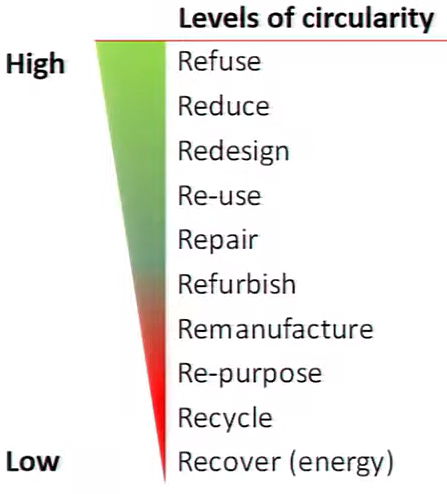
One helpful guide is the 10Rs—like refuse, reduce, reuse, recycle, and recover—which show how to manage resources in a smarter, greener way.
Top Benefits:
New Jobs & Ideas: Repair, reuse, and recycling businesses are growing—and they need creative minds like yours.
Less Waste: More reuse = less trash in landfills and oceans.
Save Resources: Using what we already have reduces the need to dig up or cut down more
Help the Planet: Lower energy use and pollution = better future for everyone.
2.3 Circular Economy vs. Sustainability: What’s the Difference?
The circular economy takes it a step further. Instead of creating waste, it finds ways to reuse and recycle everything—keeping resources in use for as long as possible. It's not just about doing less harm, but actually helping the planet heal.
While the circular economy is a key part of sustainability, sustainability covers a bigger picture. Both work together to build a better, stronger future.
More businesses are now shifting from the old "take, make, throw away" model to circular solutions that cut waste and support a greener world.
Sustainability is all about protecting the planet so future generations can live well. It means making choices that care for people, nature, and the economy.
Curious how it all works?
Watch this quick video to see it in action:
2.4 What Is Eco-Friendly or Sustainable Thinking?
Sustainable thinking is about more than just going green — it’s a way of looking at the world and making choices that care for people, the planet, and the future.
It means asking: How will this affect the world tomorrow, not just today?
From what we buy to how we travel, sustainable thinking connects our daily actions to the bigger picture — helping create a world that’s fairer, cleaner, and more balanced for everyone.
This mindset isn't about being perfect. It’s about being aware, creative, and open to new ideas that help protect nature, support communities, and build a strong future.
Young people like you are already leading the way — through action, innovation, and collaboration. And that’s what the world needs most.
Putting Sustainable Thinking Into Practice
Why Does Sustainable Thinking Matter?
Sustainable thinking refers to a mindset that considers the long-term well-being of the planet, society, and future generations.”
– Procedia Environmental Sciences, 2016
When we talk about sustainable thinking, especially in fields like product or industrial design, it’s all about reimagining how things get made. Imagine stuff that’s built to last, easy to fix when it breaks, and made from materials that don’t just get tossed away but can be recycled or reused. It’s thinking about every step—from where the materials come from to what happens after you’re done using it—to make sure nothing goes to waste.
Sustainable thinking connects to big global goals too the United Nations 17 Sustainable Development Goals, like fair work, equality, clean energy, and protecting nature.
What makes sustainable thinking powerful is that it pushes us to look beyond quick fixes. It encourages us to care about the long haul—thinking about people who’ll come after us and the world they’ll live in. It’s about finding balance between the environment, society, and the economy, and acting responsibly.
But it’s not just about products. Sustainable thinking is a mindset anyone can learn and use—whether you’re at school, in your community, or part of a group. Education is key because it helps us understand how our choices affect the world and shows us how to live in ways that protect the planet for the future.
Plus, it’s creative! Sustainable thinking inspires new ideas and fresh ways to solve problems that help both people and the planet.
In the end, this way of thinking supports everything from saving nature and using clean energy to fair work and ethical choices. It’s a mindset that can change how we live and build a better future for everyone.
3. Case Study
KOURI from Zurich — A Real-Life Example of Eco-Friendly and Sustainable Thinking
KOURI is a youth-led startup based in Zurich, Switzerland, founded by young entrepreneurs passionate about making fashion more sustainable.
What KOURI Does:
Collects used clothes from customers to repair, upcycle, and resell, giving garments a second life.
Creates new clothing lines using recycled and organic materials.
Runs workshops to teach people how to care for and repair their clothes, promoting sustainable habits.
Uses natural dyes and sustainable packaging to minimize environmental impact.
Linking KOURI to the 3 Pillars of Sustainability
Economic Pillar:
The company supports local economies by creating green jobs and offering affordable, sustainable fashion options.
Social Pillar:
KOURI promotes community education, fair labor practices, and accessibility to eco-friendly fashion for all.
Environmental Pillar:
KOURI helps protect nature by reducing textile waste, using recycled fabrics, and cutting down harmful chemicals in production.
Circular Economy in Action with KOURI:
Sustainability Quiz
Sustainable Thinking:
The team at KOURI focuses on making choices that benefit both people and the planet over the long term. They challenge fast fashion’s “use and discard” mindset by encouraging thoughtful buying, caring for garments, and supporting eco-conscious lifestyles.
Website: https://www.kuori.ch/
4. challenge activity
How Can We Use Sustainable Thinking in Real Life?
Let’s put sustainability into action! Try these activities at school, home, or in your community — and watch how small changes can make a big impact.
Pick one of these actions and set a goal for the next week. Afterward, share how it went! What worked well? What was tricky?
1. Start a Recycling or Composting Challenge!
Gather your friends and launch a recycling or composting program in your cafeteria or classroom. Use bins with clear labels and track how much waste you reduce each week. Bonus points if you make a colorful chart to show your progress!
2. Choose Greener Ways to Get Around
Make a “Green Travel” week challenge! Walk, bike, or take the bus to school instead of getting a ride. Create a map to track everyone’s greener trips and see how much pollution you help avoid.
3. Support Local and Seasonal Food
Plan a “Local Food Day” where everyone brings snacks or lunches made with fruits and veggies that grow nearby or are in season. Take pictures and create a seasonal food calendar to share with your class.
4. Save Energy at Home and School
Make a list of energy-saving actions—like turning off lights when leaving, unplugging devices, or switching to energy-efficient bulbs. Turn it into a game by checking off each action daily and rewarding yourselves for reaching goals!
5. Rethink Your Fashion
Host a clothing swap event with friends or family. Collect clothes you no longer wear, trade items, and learn how to repair or customize your clothes instead of buying new ones. Share before-and-after photos!
6. Spread the Word!
Create posters, social media posts, or community projects about important topics like climate change, plastic pollution, or fairness in sustainability. Host a mini-exhibit or online campaign to inspire others.
5. Self-Assessment Quiz
Self-Assessment Quiz
6. Summary - What did you learn?
This unit focuses on sustainable thinking—a mindset that looks beyond short-term solutions and considers the long-term impact of our actions on the planet, people, and future generations. Learner understand that sustainability isn't just about protecting the environment; it's about making thoughtful choices that support a fair and balanced world.
Through key ideas like the three pillars of sustainability and the circular economy, the unit shows how sustainable thinking can guide everyday decisions, inspire innovation, and shape a better future. It encourages young people to see themselves as changemakers who can lead with awareness, responsibility, and creativity.
Key Takeaway:
Sustainable thinking helps us make smarter choices today that protect and improve life for tomorrow. It's not just a skill—it’s a mindset for building a better world.
-
Sustainability means meeting the needs of the present without compromising the ability of future generations to meet their own needs.
Sustainable thinking is a mindset focused on making decisions that prioritize the long-term health of the environment, society, and future generations.
Design thinking is a way of solving problems by understanding people's needs, coming up with creative ideas, and testing them to find the best solution.
Circular economy is a way of making and using things that avoids waste by reusing, repairing, and recycling products, so resources stay in use longer and help protect the planet.
Further resources
Article: Haigh, L. A. (2024). 21 circular economy solutions: changing how we eat, live and travel for a more sustainable world.
https://www.weforum.org/stories/2022/03/21-circular-economy-solutions/
Publication: European Parliament. Circular economy: definition, importance and benefits
Publication: European Parliament. Green Deal: key to a climate-neutral and sustainable EU. https://www.europarl.europa.eu/topics/en/article/20200618STO81513/green-deal-key-to-a-climate-neutral-and-sustainable-eu
Article: Brendzel-Skowera, K. (2021). Circular Economy Business Models in the SME Sector. Sustainability 2021, 13, 7059. https://onlinelibrary.wiley.com/doi/epdf/10.1111/jiec.13187
URL: UNDP. (2023) What is circular economy and why does it matter? https://climatepromise.undp.org/news-and-stories/what-is-circular-economy-and-how-it-helps-fight-climate-change
Circle Economy Foundation. (2024) The Circularity Gap Report 2024 https://www.circularity-gap.world/2024#download
Circularise. (2023) R-Strategies for a Circular Economy https://www.circularise.com/blogs/r-strategies-for-a-circular-economy
Ellen Macarthur Foundation (n.d.) What is a circular economy?
https://www.ellenmacarthurfoundation.org/topics/circular-economy-introduction/overview
Case Studies: Case studies and examples of circular economy in action
https://www.ellenmacarthurfoundation.org/topics/circular-economy-introduction/examples
Images
1- Level of circularity - 10 R principles: https://commons.wikimedia.org/wiki/File:Levels_of_circularity_10R_principle_Cramer_2017.png